


Year-End Commercial Renovation Tax Strategies for Georgia Business Owners
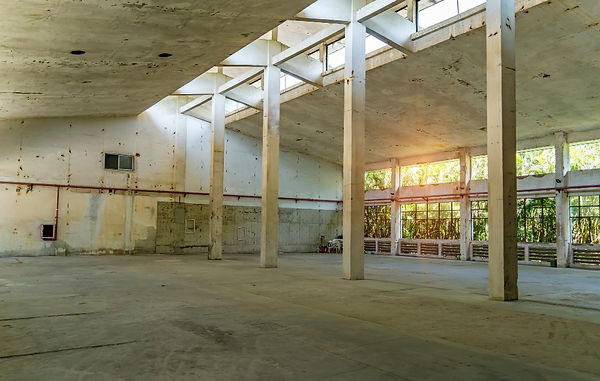
How Smart Renovations Can Improve Your Facility While Potentially Delivering Valuable Tax Advantages
As the end of the year approaches, many Georgia business owners begin evaluating capital expenditures, tax liabilities, and operational improvements. For companies considering a commercial renovation, timing can be just as important as the project itself.
Whether you're updating office space, modernizing a warehouse, expanding a retail location, or improving an industrial facility, strategic year-end renovations may provide significant tax benefits while positioning your business for growth in the coming year.
At G&R Construction, we work with Georgia businesses that are investing in their facilities for long-term success.
While every tax situation is unique and business owners should consult their CPA or tax advisor, understanding the relationship between commercial renovations and tax planning can help you make more informed decisions before year-end.
Why Year-End Renovations Matter
Many commercial property improvements can create opportunities for accelerated depreciation, Section 179 deductions, or other tax advantages when projects are completed and placed into service before the end of the tax year. The timing of your renovation can directly impact when deductions become available and how quickly costs can be recovered.
For business owners, that means a renovation completed in December may have a very different tax outcome than the same project completed in January.
In addition to potential tax benefits, year-end renovations allow businesses to:
-
Start the new year with upgraded facilities
-
Improve operational efficiency
-
Enhance employee productivity
-
Create a better customer experience
-
Address deferred maintenance before it becomes costly
-
Increase property value
When renovation planning aligns with tax planning, businesses often maximize both financial and operational returns.
Understanding Qualified Improvement Property (QIP)
One of the most important concepts for commercial property owners is Qualified Improvement Property (QIP).
QIP generally includes many interior improvements made to existing nonresidential buildings after the building has been placed into service. Examples may include:
-
Flooring replacement
-
Drywall and partition work
-
Ceiling improvements
-
Interior lighting upgrades
-
Certain electrical improvements
-
Interior finish upgrades
Under current federal tax rules, qualifying improvements may be depreciated over 15 years instead of the traditional 39-year schedule for commercial buildings, creating opportunities for accelerated cost recovery.
For many Georgia business owners, this can significantly improve cash flow by allowing renovation expenses to be recovered more quickly.
What Typically Does Not Qualify?
Not every renovation falls under QIP rules. Generally, the following items are excluded:
-
Building expansions
-
Elevators and escalators
-
Structural framework modifications
-
Certain exterior improvements
Because qualification depends on project specifics, business owners should work closely with tax professionals during the planning phase.
Section 179 and Commercial Renovations
Section 179 remains one of the most valuable tax planning tools available to businesses making capital improvements.
The IRS allows eligible businesses to expense certain qualifying property in the year it is placed into service rather than depreciating it over many years. Qualified real property may include:
-
Roof improvements
-
HVAC systems
-
Fire protection systems
-
Alarm systems
-
Security systems
-
Certain qualified improvement property projects
For tax year 2026, Section 179 deduction limits have increased substantially, allowing businesses to potentially deduct a significant portion of eligible improvement costs immediately.
This can be particularly valuable for:
-
Manufacturing facilities
-
Distribution centers
-
Warehouses
-
Medical offices
-
Retail properties
-
Professional office spaces
When renovations are properly planned and completed before year-end, businesses may be able to take advantage of these deductions sooner rather than later.
Bonus Depreciation Opportunities
Recent federal tax changes have restored powerful bonus depreciation opportunities for qualifying property placed into service after January 2025. Under current law, many eligible improvements may qualify for 100% bonus depreciation, allowing businesses to deduct the full cost in the year the asset is placed into service.
This creates substantial planning opportunities for commercial property owners undertaking:
-
Office renovations
-
Tenant improvements
-
Interior modernization projects
-
Facility upgrades
-
Building system improvements
However, Georgia business owners should understand that state tax treatment may differ from federal treatment. Georgia generally follows federal rules regarding the 15-year life for Qualified Improvement Property but has historically handled bonus depreciation differently. Businesses should review state-specific implications with their tax advisors.
Renovation Projects That May Offer Tax Advantages
Office Renovations
As workplace expectations continue to evolve, many companies are redesigning office environments to improve collaboration, productivity, and employee retention.
Common projects include:
-
Conference room upgrades
-
Open workspace configurations
-
Breakroom improvements
-
Technology infrastructure upgrades
-
Lighting modernization
Many of these interior improvements may qualify for favorable depreciation treatment when properly structured.
Warehouse and Industrial Facility Improvements
Georgia's logistics and distribution industries continue to expand, creating demand for more efficient warehouse operations.
Potential year-end improvements include:
-
Interior reconfigurations
-
Loading area enhancements
-
Energy-efficient lighting
-
Security upgrades
-
HVAC modernization
-
Operational workflow improvements
Businesses operating near major transportation corridors, ports, and industrial centers often use year-end capital planning to improve facility performance while leveraging available tax strategies.
Retail Renovations
Customer experience remains critical in retail environments.
Popular renovation projects include:
-
Store remodels
-
New displays and fixtures
-
Flooring replacement
-
Lighting upgrades
-
Customer flow improvements
-
Brand refresh initiatives
When timed strategically, these projects may improve customer engagement while also creating tax planning opportunities.
Cost Segregation: An Often Overlooked Strategy
Many commercial property owners focus on deductions but overlook cost segregation studies.
Cost segregation is an IRS-recognized strategy that identifies building components eligible for shorter depreciation schedules rather than the standard 39-year commercial building life. This often allows businesses to accelerate depreciation and improve near-term cash flow.
For businesses undertaking major renovations, combining cost segregation with Qualified Improvement Property treatment may significantly increase first-year deductions.
Examples of assets that may qualify for accelerated depreciation include:
-
Specialty electrical systems
-
Certain flooring materials
-
Decorative finishes
-
Site improvements
-
Specific equipment-related construction elements
While not every property warrants a cost segregation study, larger renovation projects often justify evaluating the opportunity.
Questions Georgia Business Owners Should Ask Before Starting a Renovation
Before moving forward with a year-end commercial renovation, consider these questions:
1. Will the Project Be Placed in Service This Year?
For many tax benefits, the improvement must be completed and placed into service before year-end. Starting construction in December may not provide the same tax treatment as completing construction in December.
2. Does the Project Qualify as QIP?
Understanding how improvements are categorized can significantly impact depreciation schedules and tax savings.
3. Can Section 179 Apply?
Certain building improvements may qualify for immediate expensing under Section 179 rules.
4. Should a Cost Segregation Study Be Considered?
For larger renovations, this analysis may uncover additional tax-saving opportunities.
5. How Does Georgia Tax Treatment Differ?
State and federal rules don't always align, making professional tax guidance essential.
Planning Ahead with the Right Construction Partner
Tax strategy should never drive a renovation decision on its own. The most successful projects balance operational improvements, business objectives, and financial considerations.
At G&R Construction, we help Georgia business owners develop renovation plans that support growth, efficiency, and long-term value. By involving your construction partner early in the planning process, you can better coordinate timelines, budgets, permitting, and project completion dates that may affect year-end tax planning opportunities.
Whether you're renovating office space, upgrading an industrial facility, modernizing a retail environment, or expanding a commercial property, proactive planning can help ensure your investment delivers maximum value.
Year-end commercial renovations can be about much more than improving a building. When strategically planned, they may create meaningful tax advantages through Qualified Improvement Property rules, Section 179 deductions, bonus depreciation opportunities, and cost segregation strategies.
For Georgia business owners, the key is preparation. The earlier renovation planning begins, the more opportunities exist to coordinate construction timelines with financial and tax objectives.
Before making any tax-related decisions, consult your CPA, tax advisor, or financial professional. Then work with an experienced commercial contractor who understands how to deliver projects efficiently and on schedule.
Ready to discuss your next commercial renovation project? Contact G&R Construction to explore how strategic facility improvements can help position your business for a stronger year ahead.